
RAPID ABSORPTION
RAPID ABSORPTION

STREAMLINED INITIATION

RELAPSE PREVENTION
LAI, long-acting injectable.
*In the RISE phase 3 clinical trial, UZEDY significantly reduced the risk of relapse by 80% vs placebo. Hazard ratio (95% CI) 0.200 (0.109, 0.367); log-rank test P<.0001.2 UZEDY reaches therapeutic levels within 6 to 24 hours from the first dose.1
UZEDY is the only long-acting, subcutaneous formulation of risperidone available in both 1- and 2-month dosing intervals.1,4,5

Relative in size but not to scale.
All trademarks referenced are properties of their respective owners.
See how this innovative delivery technology controls the release of risperidone over time
FEATURES
MOLECULE
THERAPEUTIC PLASMA LEVELS IN 24 HOURS
DOSING INTERVALS
LOADING DOSE AND/OR ORAL SUPPLEMENTATION
1-DOSE REINITIATION
READY TO USE‡
INJECTION
INJECTION VOLUME
INJECTION SITES
NEEDLE SIZE
(LENGTH/GAUGE)
UZEDY1
Risperidone
Yes, within 6 to 24 hours
1 or 2 months
No
Yes
Yes
Subcutaneous
0.14–0.7 mL
Abdomen, upper arm
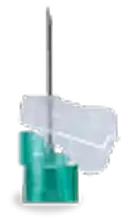
⅝ inch/21 G
INVEGA SUSTENNA®4
Paliperidone
No
1 month
Yes, additional loading dose 1 week after initiation
No†
Yes
Intramuscular
0.25 mL–1.5 mL
Deltoid, gluteal
Up to 1 ½ inches/up to 23 G

Risperdal Consta®5
Risperidone
No
2 weeks
Yes, 3 weeks oral supplementation
No
No
Intramuscular
2 mL
Deltoid, gluteal
Up to 2 inches/up to 21 G

Compare with
This information should not be construed to imply any difference in safety, efficacy, or other clinical outcome. All trademarks referenced are properties of their respective owners.
†If the target date for the second Invega Sustenna® injection (1 week ± 4 days) is missed, the recommended reinitiation depends on the length of time that has elapsed since the patient’s first injection.4
‡No premixing or reconstitution is required.
INDICATION
DOSING
SC INJECTION
INJECTION VOLUME
READY
TO USE¶
INJECTION SITES
UZEDY1
Monotherapy or adjunctive therapy to LIT or VAL for the maintenance treatment of BD-1 in adults
1 month
Yes
0.14 mL–0.7 mL
Yes
Abdomen, upper arm
Abilify Maintena®6
(US/EU)
Maintenance monotherapy treatment of BD-1 in adults
1 month
No
0.8 mL–2 mL
No
Deltoid/gluteal
Abilify
Asimtufii™7
(US)
Maintenance monotherapy treatment of BD-1 in adults
2 months
No
2.4 mL–3.2 mL
Yes
Gluteal
Risperdal Consta®5
(US/EU)
Monotherapy or adjunctive therapy to LIT or VAL for the maintenance treatment of BD-1§
2 weeks
No
2.0 mL
No
Deltoid/gluteal
Rykindo8
Monotherapy or adjunctive therapy to LIT or VAL for the maintenance treatment of BD-1 in adults
2 weeks
No
2.0 mL
No
Gluteal
Compare with
This information should not be construed to imply any difference in safety, efficacy, or other clinical outcome. All trademarks referenced are properties of their respective owners.
LIT, lithium; SC, subcutaneous; VAL, valproate.
§Approved in the USA, may differ globally.
¶No premixing or reconstitution required.

Psychiatrist Success Story
Watch Monica Benavidez, DO, discuss efficacy, central product features, and more reasons why she chooses UZEDY for her adult patients living with schizophrenia.
WATCH VIDEO
Psychiatric Nurse Practitioner Success Story
Hear Desiree Matthews, PMHNP, discuss why the flexible dosing and streamlined initiation of UZEDY help reduce the risk of relapse for her adult patients living with schizophrenia.
WATCH VIDEOUZEDY (risperidone) Extended-Release Injectable Suspension
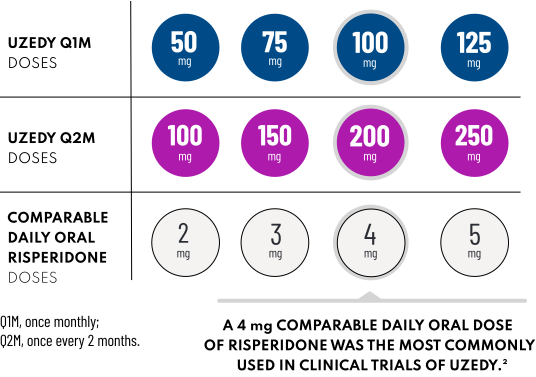
Plasma Levels of Active Drug* After UZEDY Q1M and Q2M Dosing1,2

UZEDY streamlines the initiation process with no loading dose or oral supplementation required.1
Figure depicts simulated concentrations of active drug based on actual pharmacokinetic data from clinical trials for UZEDY.
The relationship between pharmacokinetics and clinical efficacy has not been established.
Q1M, once monthly; Q2M, once every 2 months.
*Risperidone and 9-hydroxyrisperidone.
†The threshold for clinically relevant plasma levels of risperidone is defined as levels ≥10 ng/mL.2
UZEDY (risperidone) Extended-Release Injectable Suspension
Q1M, once monthly;
Q2M, once every 2 months.
References: 1. UZEDY® (risperidone) extended-release injectable suspension Current Prescribing Information. Parsippany, NJ: Teva Neuroscience, Inc. 2. Data on file. [CSR/RISE] West Chester, PA: Teva Neuroscience, Inc. 3. Data on file. [TV46000-SAD-10055] West Chester, PA: Teva Neuroscience, Inc. 4. Invega Sustenna. Prescribing information. Janssen Pharmaceuticals, Inc; 2025. 5. Risperdal Consta. Prescribing information. Janssen Pharmaceuticals, Inc; 2025. 6. Abilify Maintena. Prescribing information. Otsuka Pharmaceutical Co, Ltd; 2026. 7. Abilify Asimtufii. Prescribing information. Otsuka Pharmaceutical Co, Ltd; 2025. 8. Rykindo. Prescribing information. Shandong Luye Pharmaceutical Co, Ltd; 2023.
up next
UZEDY SATISFACTION SURVEY
Healthcare professional and patient attitudes toward UZEDY for the treatment of schizophrenia were assessed in a companion survey.
VIEW THE RESULTSUZEDY® is indicated in adults for the treatment of schizophrenia and as monotherapy or as adjunctive therapy to lithium or valproate for the maintenance treatment of bipolar I disorder.
WARNING: INCREASED MORTALITY IN ELDERLY PATIENTS WITH DEMENTIA-RELATED PSYCHOSIS
Elderly patients with dementia-related psychosis treated with antipsychotic drugs are at an increased risk of death. UZEDY is not approved for use in patients with dementia-related psychosis and has not been studied in this patient population.
CONTRAINDICATIONS: UZEDY is contraindicated in patients with a known hypersensitivity to risperidone, its metabolite, paliperidone, or to any of its components. Hypersensitivity reactions, including anaphylactic reactions and angioedema, have been reported in patients treated with risperidone or paliperidone.
WARNINGS AND PRECAUTIONS
Cerebrovascular Adverse Reactions: In trials of elderly patients with dementia-related psychosis, there was a significantly higher incidence of cerebrovascular adverse events (e.g., stroke, transient ischemic attack), including fatalities, in patients treated with oral risperidone compared to placebo. UZEDY is not approved for use in patients with dementia-related psychosis.
Neuroleptic Malignant Syndrome (NMS): NMS, a potentially fatal symptom complex, has been reported in association with antipsychotic drugs. Clinical manifestations of NMS are hyperpyrexia, muscle rigidity, altered mental status including delirium, and autonomic instability (irregular pulse or blood pressure, tachycardia, diaphoresis, and cardiac dysrhythmia). Additional signs may include elevated creatine phosphokinase, myoglobinuria (rhabdomyolysis), and acute renal failure. If NMS is suspected, immediately discontinue UZEDY and provide symptomatic treatment and monitoring.
Tardive Dyskinesia (TD): TD, a syndrome consisting of potentially irreversible, involuntary, dyskinetic movements, may develop in patients treated with antipsychotic drugs. Although the prevalence of the syndrome appears to be highest among the elderly, especially elderly women, it is impossible to predict which patients will develop the syndrome. Whether antipsychotic drug products differ in their potential to cause TD is unknown.
The risk of developing TD and the likelihood that it will become irreversible are believed to increase with the duration of treatment and the cumulative dose. The syndrome can develop, after relatively brief treatment periods, even at low doses. It may also occur after discontinuation. TD may remit partially or completely, if antipsychotic treatment is discontinued. Antipsychotic treatment, itself, however, may suppress (or partially suppress) the signs and symptoms of the syndrome, possibly masking the underlying process. The effect that symptomatic suppression has on the long-term course of the syndrome is unknown.
If signs and symptoms of TD appear in a patient treated with UZEDY, drug discontinuation should be considered. However, some patients may require treatment with UZEDY despite the presence of the syndrome. In patients who do require chronic treatment, use the lowest dose and the shortest duration of treatment producing a satisfactory clinical response. Periodically reassess the need for continued treatment.
Metabolic Changes: Atypical antipsychotic drugs have been associated with metabolic changes that may increase cardiovascular/cerebrovascular risk. These metabolic changes include hyperglycemia, dyslipidemia, and body weight gain. While all of the drugs in the class have been shown to produce some metabolic changes, each drug has its own specific risk profile.
Hyperglycemia and diabetes mellitus (DM), in some cases extreme and associated with ketoacidosis or hyperosmolar coma or death, have been reported in patients treated with atypical antipsychotics, including risperidone. Patients with an established diagnosis of DM who are started on atypical antipsychotics, including UZEDY, should be monitored regularly for worsening of glucose control. Patients with risk factors for DM (e.g., obesity, family history of diabetes) who are starting treatment with atypical antipsychotics, including UZEDY, should undergo fasting blood glucose (FBG) testing at the beginning of treatment and periodically during treatment. Any patient treated with atypical antipsychotics, including UZEDY, should be monitored for symptoms of hyperglycemia including polydipsia, polyuria, polyphagia, and weakness. Patients who develop symptoms of hyperglycemia during treatment with atypical antipsychotics, including UZEDY, should undergo FBG testing. In some cases, hyperglycemia has resolved when the atypical antipsychotic, including risperidone, was discontinued; however, some patients required continuation of antidiabetic treatment despite discontinuation of risperidone.
Dyslipidemia has been observed in patients treated with atypical antipsychotics.
Weight gain has been observed with atypical antipsychotic use. Monitoring weight is recommended.
Hyperprolactinemia: As with other drugs that antagonize dopamine D2 receptors, risperidone elevates prolactin levels and the elevation persists during chronic administration. Risperidone is associated with higher levels of prolactin elevation than other antipsychotic agents.
Orthostatic Hypotension and Syncope: UZEDY may induce orthostatic hypotension associated with dizziness, tachycardia, and in some patients, syncope. UZEDY should be used with particular caution in patients with known cardiovascular disease, cerebrovascular disease, and conditions which would predispose patients to hypotension and in the elderly and patients with renal or hepatic impairment. Monitoring of orthostatic vital signs should be considered in all such patients, and a dose reduction should be considered if hypotension occurs. Clinically significant hypotension has been observed with concomitant use of oral risperidone and antihypertensive medication.
Falls: Antipsychotics, including UZEDY, may cause somnolence, postural hypotension, motor and sensory instability, which may lead to falls and, consequently, fractures or other fall-related injuries. Somnolence, postural hypotension, motor and sensory instability have been reported with the use of risperidone. For patients, particularly the elderly, with diseases, conditions, or medications that could exacerbate these effects, assess the risk of falls when initiating antipsychotic treatment and recurrently for patients on long-term antipsychotic therapy.
Leukopenia, Neutropenia, and Agranulocytosis have been reported with antipsychotic agents, including risperidone. In patients with a pre-existing history of a clinically significant low white blood cell count (WBC) or absolute neutrophil count (ANC) or a history of drug-induced leukopenia or neutropenia, perform a complete blood count (CBC) frequently during the first few months of therapy. In such patients, consider discontinuation of UZEDY at the first sign of a clinically significant decline in WBC in the absence of other causative factors. Monitor patients with clinically significant neutropenia for fever or other symptoms or signs of infection and treat promptly if such symptoms or signs occur. Discontinue UZEDY in patients with ANC < 1000/mm3) and follow their WBC until recovery.
Potential for Cognitive and Motor Impairment: UZEDY, like other antipsychotics, may cause somnolence and has the potential to impair judgement, thinking, and motor skills. Somnolence was a commonly reported adverse reaction associated with oral risperidone treatment. Caution patients about operating hazardous machinery, including motor vehicles, until they are reasonably certain that treatment with UZEDY does not affect them adversely.
Seizures: During premarketing studies of oral risperidone in adult patients with schizophrenia, seizures occurred in 0.3% of patients (9 out of 2,607 patients), two in association with hyponatremia. Use UZEDY cautiously in patients with a history of seizures or other conditions that potentially lower the seizure threshold.
Dysphagia: Esophageal dysmotility and aspiration have been associated with antipsychotic drug use. Antipsychotic drugs, including UZEDY, should be used cautiously in patients at risk for aspiration.
Priapism has been reported during postmarketing surveillance for other risperidone products. A case of priapism was reported in premarket studies of UZEDY. Severe priapism may require surgical intervention.
Body temperature regulation: Disruption of the body’s ability to reduce core body temperature has been attributed to antipsychotic agents. Both hyperthermia and hypothermia have been reported in association with oral risperidone use. Strenuous exercise, exposure to extreme heat, dehydration, and anticholinergic medications may contribute to an elevation in core body temperature; use UZEDY with caution in patients who experience these conditions.
ADVERSE REACTIONS
The most common adverse reactions with risperidone in patients with schizophrenia (≥5% and greater than placebo) were parkinsonism, akathisia, dystonia, tremor, sedation, dizziness, anxiety, blurred vision, nausea, vomiting, upper abdominal pain, stomach discomfort, dyspepsia, diarrhea, salivary hypersecretion, constipation, dry mouth, increased appetite, increased weight, fatigue, rash, nasal congestion, upper respiratory tract infection, nasopharyngitis, and pharyngolaryngeal pain.
The most common adverse reactions with risperidone in patients with bipolar disorder were weight increased (5% in monotherapy trial) and tremor and parkinsonism (≥10% in adjunctive therapy trial).
The most common injection site reactions with UZEDY (≥5% and greater than placebo) were pruritus and nodule.
DRUG INTERACTIONS
USE IN SPECIFIC POPULATIONS
Pregnancy: May cause EPS and/or withdrawal symptoms in neonates with third trimester exposure. There is a pregnancy exposure registry that monitors pregnancy outcomes in women exposed to atypical antipsychotics, including UZEDY, during pregnancy. Healthcare providers are encouraged to register patients by contacting the National Pregnancy Registry for Atypical Antipsychotics at 1-866-961-2388 or online at http://womensmentalhealth.org/clinicaland-research-programs/pregnancyregistry/.
Lactation: Infants exposed to risperidone through breastmilk should be monitored for excess sedation, failure to thrive, jitteriness, and EPS.
Fertility: UZEDY may cause a reversible reduction in fertility in females.
Pediatric Use: Safety and effectiveness of UZEDY have not been established in pediatric patients.
Renal or Hepatic Impairment: Carefully titrate on oral risperidone up to at least 2 mg daily before initiating treatment with UZEDY.
Patients with Parkinson’s disease or dementia with Lewy bodies can experience increased sensitivity to UZEDY. Manifestations and features are consistent with NMS.
Please see the full Prescribing Information for UZEDY, including Boxed WARNING.